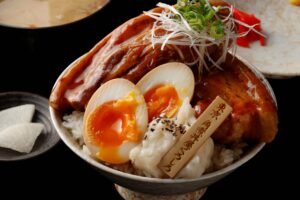
Kakuni Recipe Without a Pressure Cooker: Japanese Braised Pork Belly from a Kakuni Specialist
Quick answer: To make melt-in-your-mouth kakuni (Japanese braised pork belly) without a pressure cooker, sear the pork, then parboil it in rice-washing water just below boiling — 30 minutes on, 30 minutes resting, three times. Braise it in dashi with sake, sugar and soy sauce for 90 minutes and let it sit overnight. This recipe is based on the proportions we use at Kakunidon-ya Kuroshiro, a kakuni-only restaurant in Tokyo, rounded for home cooking.

Hi, I’m the owner of Kakunidon-ya Kuroshiro in Takadanobaba, Tokyo — a restaurant that serves nothing but kakuni. Every day we spend 15 hours or more preparing our pork. You don’t need restaurant equipment to get close at home: what matters is temperature and time, not technique. New to the dish? See What is kakuni?
The 3 secrets of soft kakuni
- Sear first, then never let it boil. Lightly brown the surface in a frying pan, then keep the water just below a simmer. Cook 30 minutes, rest 30 minutes, and repeat three times.
- Parboil in rice-washing water. With leek greens and ginger added, the enzymes in rice-washing water help soften the meat and remove odor and excess fat.
- Rest it overnight. As it cools, the pork soaks up the sauce, and you can lift off the hardened fat.
Ingredients
Based on the amounts we use for one serving at our restaurant (about 200 g of finished kakuni), rounded for home kitchens.
| 1 serving | 2 servings | |
|---|---|---|
| Pork belly (one block) | About 225 g (8 oz) | About 450 g (1 lb) |
| For parboiling | Rice-washing water to cover, 12 g green part of a leek or green onion, 2 g ginger (roughly chopped) | Rice-washing water to cover, 25 g leek greens, 4 g ginger |
| Dashi | 500 ml water, 7 g kombu, 4 g bonito flakes (katsuobushi) | 1 L water, 15 g kombu, 8 g bonito flakes |
| Seasonings | Sake 100 ml (about 7 tbsp), mirin 40 ml (about 2⅔ tbsp), soy sauce 65 ml (about 4⅓ tbsp), sugar 65 g (about ⅓ cup) | Double |
- Gluten-free: regular soy sauce contains wheat. We use a wheat-free soy sauce at the restaurant; at home, use tamari or a gluten-free soy sauce.
- Why rice-washing water? Its enzymes help tenderize the pork, and it puts water that is usually thrown away to good use — something we care about from a sustainability (SDGs) point of view. At the restaurant we parboil about 4 servings at a time in 2 liters of rice-washing water with the green parts of 2 leeks and a whole knob of ginger.
- Can’t find kombu or katsuobushi? Look in Japanese or Asian grocery stores, or use instant dashi granules.
- No star anise: Japanese kakuni gets its depth from dashi, not spices.

How to make kakuni without a pressure cooker
- Sear: Lightly brown the surface of the pork in a frying pan.
- Parboil: Put the pork, rice-washing water, leek greens and ginger in a pot. Bring almost to a boil, then turn the heat down so the surface barely moves. Cook for 30 minutes.
- Rest: Turn off the heat, cover, and leave for 30 minutes.
- Repeat: Repeat the parboil and rest two more times (3 rounds, about 3 hours in total).
- Rinse: Take out the pork and rinse off the scum with lukewarm water.
- Make the dashi: Put the water and kombu in a pot and keep it on the lowest heat for 30 minutes. Remove the kombu, add the bonito flakes, wait 2 minutes, then strain. (At the restaurant we make 2 liters at a time with 2–3 pieces of kombu and two big handfuls of bonito flakes — about 4 servings.)
- Braise: Add the sake, sugar and pork to the dashi. Cover with a drop lid (or a piece of baking paper) and simmer on low heat. After about 30 minutes, add the soy sauce. Braise for 90 minutes in total.
- Rest overnight: Let it cool, then refrigerate in the liquid for about 12 hours. Remove the white fat on the surface.
- Glaze: Before serving, add the mirin and reduce the sauce for about 15 minutes until glossy.
Most of the time is just waiting. If you finish step 8 the night before, dinner the next day takes only 15 minutes.
Tips
- Sugar first, soy sauce later. Sugar keeps the meat moist; adding salty soy sauce too early can tighten the meat.
- Mirin at the end for shine.
- Cut big pieces. Pork shrinks a lot over long cooking.
- Keep it warm while resting. Wrapping the pot in a towel helps.
How to serve it like our kakuni don
At our restaurant, we serve kakuni over 200 g of Tsuyahime rice from Yamagata, with a soft-boiled marinated egg, mashed potatoes, shredded and chopped green onion, pickled red ginger, Japanese mustard and pork miso soup. Spoon the sauce over the rice — that’s the best part.
FAQ
Why did my kakuni turn out tough?
Usually because it boiled too hard, wasn’t cooked long enough, or wasn’t rested. Keep the heat low and let it rest.
Can I use a pressure cooker?
Yes, it’s faster. The slow method keeps the shape better and lets the flavor soak all the way in.
How long does kakuni keep?
2–3 days in the fridge. Reheat only what you’ll eat.
What can I use instead of sake?
Sake is best for flavor. If you can’t get it, use a little more water; the result will be slightly less rich.
Want to taste the real thing in Tokyo?
Our kakuni is made with Waton Mochibuta brand pork and prepared over 15+ hours. Try it at Kakunidon-ya Kuroshiro, two stops from Shinjuku on the JR Yamanote Line.
- Kakuni Don Set Meal: ¥1,900
- Hours: 11:00–15:00 (last order 14:30), open every day
- Payment: cash or PayPay only
Book a table online in English / Best kakuni in Tokyo / Gluten-free kakuni in Tokyo

- 代表取締役
-
株式会社A-S(エース不動産)を創設し、現在に至る。
オウンドメディア運営(コラム ・YouTube ・TiKToK 配信等)、経営・財務戦略策定、マーケティング運営全般を担当。
2023年、自身のマーケティング能力を使い、飲食店集客を新規事業の軸としつつ、自身で直接お客様のニーズを掴むために先頭に立ち飲食の店舗運営をする。
Latest entries
 Kakuni Guide2026年11月24日Takadanobaba Restaurants: 5 Lunch Spots Near the Station (2026 Guide)
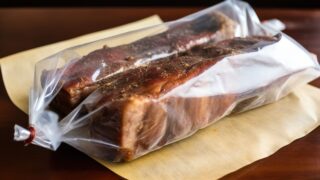 Kakuni Guide2026年10月15日Kakuni Recipe Without a Pressure Cooker: Japanese Braised Pork Belly from a Kakuni Specialist
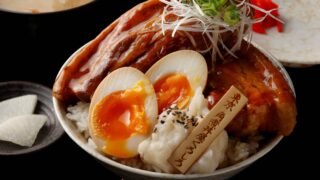 Kakuni Guide2026年10月10日Gluten-Free in Tokyo: Lab-Tested Gluten-Free Kakuni Don (Japanese Braised Pork Bowl)
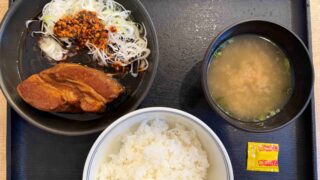 Kakuni Guide2026年10月9日Yoshinoya Kakuni Review: Thick-Cut Braised Pork Set Meal, Rated by a Kakuni Specialist
\ 最新情報をチェック /